

Most Maine homeowners don’t think about their roof until water shows up on a ceiling or a shingle lands in the front yard after a storm. By then, the damage has usually been working away for months. A professional roof inspection catches problems while they’re still small, often saving thousands in repair costs and adding years to the life of a roof.
If you’ve never had one done, here’s what to expect when our team shows up at your door.
Why Maine Roofs Need Regular Inspections
Roofs in Maine take a beating that homes in milder climates never see. Heavy snow loads compress shingles and stress framing. Freeze-thaw cycles work water into every tiny crack, expanding ice that lifts flashing and loosens fasteners.
Ice dams force meltwater backward under shingles. Nor’easters drive rain sideways, and coastal homes deal with salt-laden moisture year-round. All of that wear adds up faster than most homeowners realize, which is why an annual or biennial inspection is one of the smartest preventive moves you can make.
The Exterior Walk-Through
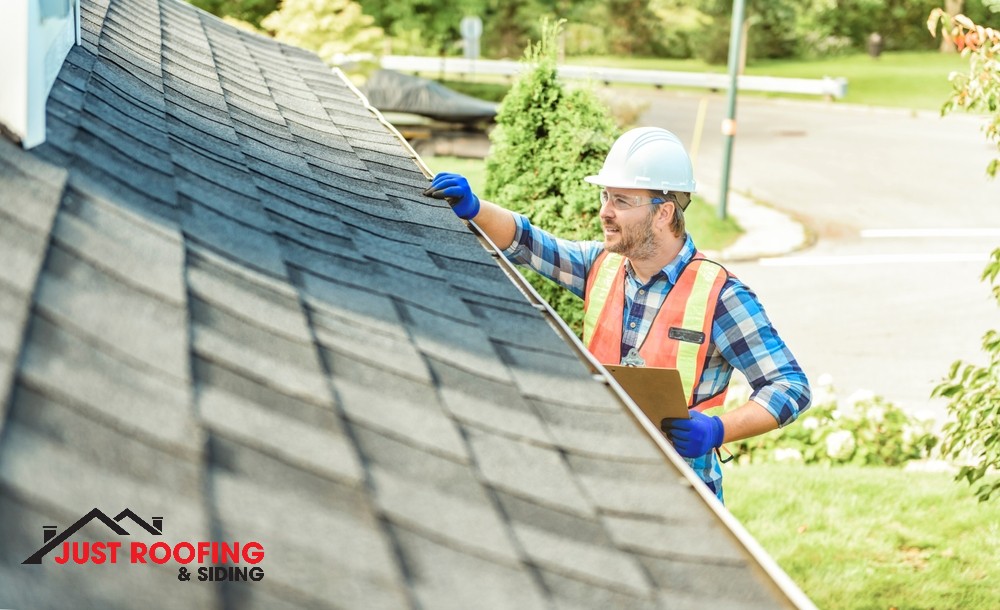
The bulk of a roof inspection happens outside, on the roof itself. Our crew checks the condition of the shingles for curling edges, granule loss in the gutters, cracked or missing pieces, and any spots where the asphalt has started to lift. We look closely at flashing around chimneys, skylights, vents, and dormers, since most leaks in Maine homes start at these transition points rather than in the open field of the roof.
Valleys get a careful look, because that’s where snow and ice concentrate during winter melt. Ridge caps, drip edge, and gutters all get checked for damage or separation.
Pipe boots get particular attention, since the rubber gasket around a plumbing vent often cracks long before the shingles around it fail. Cracked pipe boots, lifted flashing, and damaged valleys are common findings that call for professional roof repair before the next heavy rain or snowmelt.
Checking the Attic and Interior
A roof has two sides, and skipping the underside is one of the biggest mistakes a homeowner can make when hiring an inspector. From inside the attic, our team looks for moisture stains on the decking, daylight visible through nail holes or seams, compressed or wet insulation, mold or mildew growth, and signs that the attic isn’t ventilating properly.
Poor ventilation is a silent roof killer in Maine. Without proper airflow, heat builds up in summer and humid air gets trapped in winter, both of which shorten shingle life and feed the conditions that cause ice dams. A careful inspector flags these issues even when the roof’s exterior still looks fine.
What You Get After the Inspection
After the walk-through, you receive a written report with photos of every finding, a clear description of what was observed, and recommended next steps. Cosmetic issues get noted but not flagged as urgent.
Minor problems, such as a single damaged shingle or a worn pipe boot, can usually be handled quickly. If the report shows widespread granule loss, multiple leak points, or decking damage, the inspector will help you weigh whether a renovation makes more sense than another patch.
An inspection is only as useful as the person doing it, which is why choosing the right roofing contractor matters as much as the inspection itself. A qualified, GAF-certified crew knows what to look for and how to explain it without pressuring you into work you don’t need.
When to Schedule a Professional Roof Inspection
The best times to schedule a roof inspection are after a major windstorm or hailstorm, after a winter with significant ice dam activity, before buying or selling a home, and roughly every two to three years as routine maintenance. Just Roofing has spent over 25 years inspecting and repairing roofs across the greater Portland area, and our crews know how Maine weather affects roofs better than most.
Ready to schedule a professional roof inspection? Call us at 207-856-ROOF for a free estimate, or reach out through our website.