

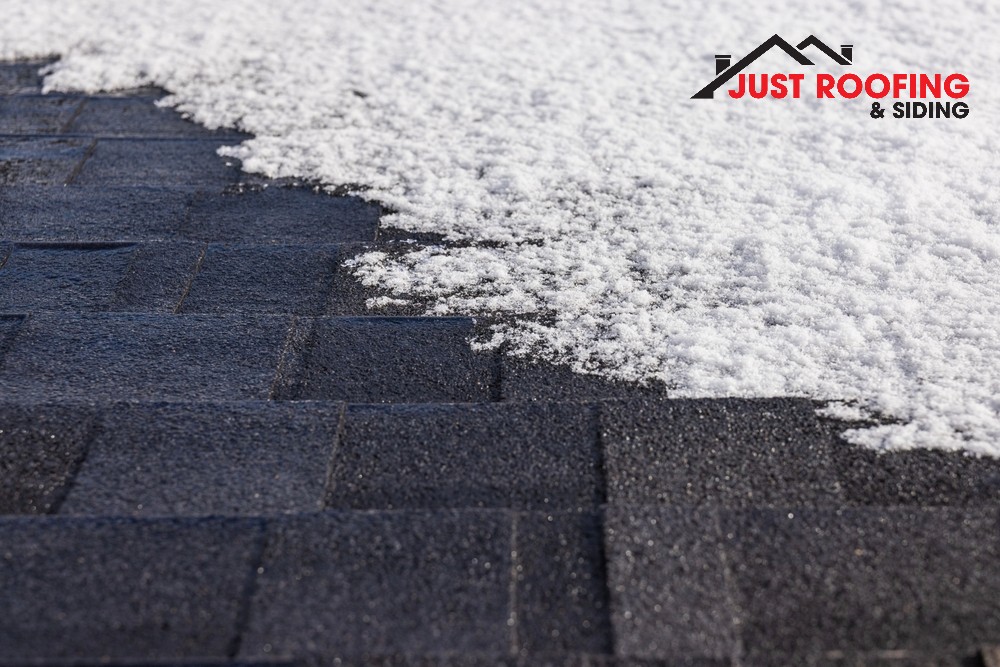
Maine winters are unforgiving. Heavy snowfall, ice storms, and dramatic temperature swings put roofs under significant stress. One of the most important layers of protection a roof can have is an ice and water shield, a critical underlayment that is frequently underestimated.
At Just Roofing, we recommend installing this component on every Maine roofing project, and understanding why it matters can help homeowners make informed decisions about their roof.
What Is an Ice and Water Shield?
An ice and water shield is a self-adhesive underlayment installed directly on the roof deck beneath shingles or other finished roofing materials. Made from a combination of polymers and modified asphalt, this slightly spongy membrane serves as a secondary barrier against water infiltration.
Unlike standard roofing felt, ice and water shield seals tightly around nails and staples, meaning the fasteners themselves do not create entry points for moisture. This self-sealing property is what sets it apart from other underlayment options.
There are plenty of good reasons to make sure your roof includes this layer of protection. Here are four that matter most to Maine homeowners:
1. It’s Required by Maine Code
Maine’s building code mandates the installation of ice and water shield membranes along eaves and valleys on any new roof installation. The membrane must extend at least 24 inches inside the interior wall line of the building, covering the areas where leaks are most likely to occur.
This requirement reflects the severity of Maine’s climate and the well-documented risks posed by ice dams and winter moisture to residential roofing systems. A properly licensed and experienced contractor will ensure full compliance with these specifications.
2. Ice Dams Pose a Serious Risk to Maine Roofs
Ice dams are one of the most common and destructive roofing problems in northern climates. They form when heat escaping from the attic warms the roof deck, causing snow to melt and flow toward the eaves.
At the eaves, where temperatures are lower, that water refreezes and builds up into a ridge of ice. As additional snowmelt accumulates behind the dam, water is forced back up under the shingles, where it can penetrate the roof deck and cause significant interior damage.
An ice and water shield installed along the eave line creates a watertight barrier that prevents this water from reaching the structure, even when an ice dam is present.
3. Certain Areas of Every Roof Are Especially Vulnerable
Water does not distribute evenly across a roof. Valleys, where two roof sections meet, collect and channel large volumes of runoff and are among the most leak-prone areas on any roof.
Penetrations such as chimneys, skylights, and vents interrupt the roofing surface and create potential entry points for moisture. Applying ice and water shield to these high-risk zones ensures a fully adhered, seamless barrier that standard underlayment cannot reliably provide. Proper placement of this material is as important as the material itself.
4. It Prevents Long-Term Structural Damage
Water infiltration rarely stays contained to one area. Once moisture reaches the roof deck, it creates conditions favorable for mold and mildew growth, and sustained exposure can lead to wood rot that compromises the structural integrity of the entire roof system.
These problems often develop slowly and go undetected until significant damage has already occurred. An ice and water shield addresses this by stopping moisture at the deck level, protecting not just the shingles above but the underlying structure that supports the entire roof.
The Bottom Line
An ice and water shield is not an optional upgrade. For Maine homeowners, it is a fundamental component of a properly built roofing system.
When installed correctly and in the right locations, it significantly reduces the risk of ice dam damage, water infiltration, mold, rot, and costly structural repairs down the road. If you are planning a new roof installation or suspect your current roof is missing this layer of protection, it is worth having a qualified contractor take a look.
The team at Just Roofing has been serving Maine homeowners for over 22 years. Contact us today at 207-856-ROOF or through our website for your FREE roofing estimate.